Welcome!
This blog is here for you to find fun learning activities to do with your children. We share great ideas we find and love on the Internet, as well as ideas we come up with on our own! We also like to share resources we find helpful.
To find ideas for your child, click on the age range blog label or on the theme/topic you are looking for (on the left side of the page). In each post, we try to list optimal age ranges for the activity, but you must judge for yourself if it is appropriate for your child. When you try an activity out, please comment and let us (and everyone else) know how your child liked it!
Showing posts with label talking. Show all posts
Wednesday, December 15, 2010
Chalkboard Letter Drills
I sat down with McKenna (20 months) the other day determined to make some progress on her telling me what letter I wrote on the chalkboard. As we got started, I really noticed that she couldn't say many of the letters well. So I changed my goal.
I wrote each letter of the alphabet--one at a time.
I started with A. It doesn't matter what you start with. Going A-Z works for me.
I said, "This is an A. Can you say A?" She would then do her best to repeat whatever I had just said. Some letters she got perfectly. If that was the case, I told her, "Good job! A!" then erased it and wrote the next letter.
If she didn't get it right, however, I repeated the letter. "L." I then pointed to my mouth while I said the letter so she could get a visual on what her mouth should be doing while she said the letter. Sometimes, like with the L, I said, "watch my tongue" in which case she of course started trying to grab my tongue.
As we did this, she became better at mimicking my sounds. I also noticed that there were certain letters she said very wrong but in a very certain way. This helps me know better what she is trying to say when she "babbles."
Sitting at the chalkboard for this was a nice setting. We could turn and look at each other and turn and look at the chalkboard. It gave her a focal point, and it also was interesting to her. She wouldn't have enjoyed it much if I had just sat in front of her. The chalkboard is a fun item.
You can take the same idea and extend it to be appropriate for whatever your child is working on--right on up to writing words.
Friday, November 5, 2010
Dates!
One thing I've learned (and relearned) is never to underestimate one on one special time with your little one, especially if there is more than one! Sometimes it's the random "cure" for off behavior, a much needed break for both of you away from the day to day to-do list, and most times...it's just plain fun.
I especially need this time with my girls when the holidays start. Between shopping, parties, dressing up, family visits and visiting, pictures, and trying to do the not-so-fun year 'round stuff (cleaning, cooking, etc)...we can forget or put off time just to talk and enjoy time with our kids.
I've learned some really neat things about my girls when it's been just the two of us. It also has opened the door for some deep conversations, and given my oldest the opportunity to share her heart more freely. I've never once regretted the few hours on our "dates."
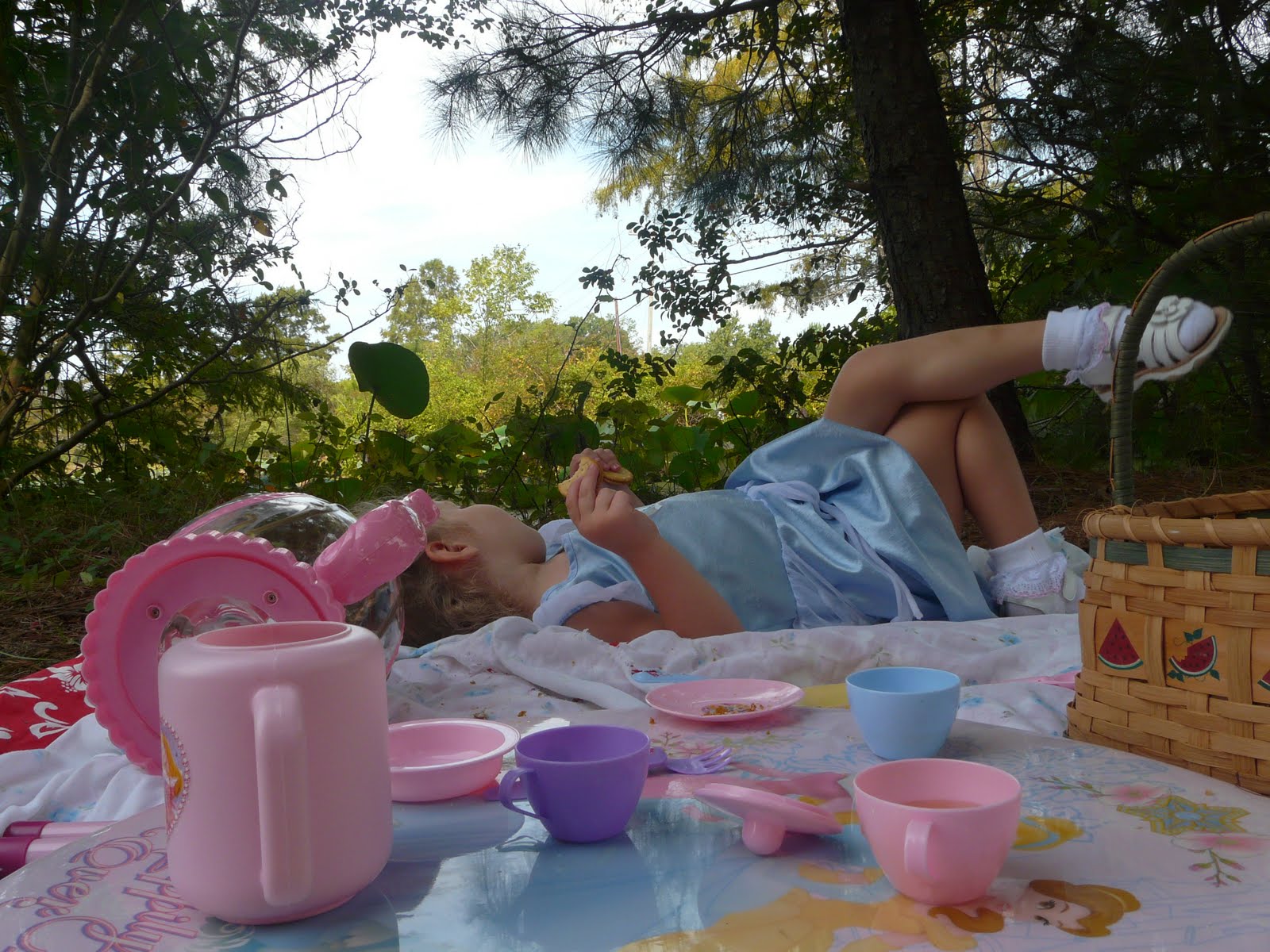
It's also really important for Dads to take part in this too. There's nothing like daddy time, and please never make the mistake of underestimating it's importance. My husband recently took our 3 year old to a local lotus park/pond for a tea party. To her delight, she was allowed to dress in her Cinderella dress, get all "fancy", and they had a sweet time, just the two of them. She served him "tea" and even cut up his muffin for him. It was a great time for both of them and she almost walked on air for the rest of the day.
So think about what you can do that your child would enjoy, away from the normal routine, just the two of you or your child and husband. What can you do to make it happen? Write in on your calendar, plan it in advance, or life will tend to get in the way.
And trust me...next month you won't remember how clean your floor was or how many loads of laundry you did that week. And neither will your family. But you'll ALL remember and be really changed when you take time to simply enjoy each other, especially around this busy time of the year.
Monday, September 13, 2010
Successful Learning Tip: Talk With Your Child
Hearing vocabulary is a great enhancer of learning. The more words your child hears, the more words are built in her head. A great way to help build up your child's vocabulary is to talk with your child. You talk, your child talks, you listen, and your child listens.
Listening to a child and especially answering 100 questions (you know kids don't play 20 questions; they play 100 questions, most of which start with W and end with HY) can get frustrating sometimes. I have heard people say many times that they couldn't wait for their child to start talking, but then they couldn't get them to quit! Remember, talk to them while they are young, not only to help build vocabulary, but so they want to talk to you when they are teenagers. Don't think you can avoid talking with the 4 year old and strike up conversations at 14 years old.
Children love to talk in most cases. Ask her questions about her day. When she has questions, answer them. Answer them with real answers, not "because" and "I don't know." When she has answers you don't know, go to a resource and look it up together.
Listen to her when she is talking; use good non-verbals that show you are listening. Be interested in what she has to say.
Encourage your child to express herself, speak clearly, and use words correctly. As you speak, set a good example of how to speak correctly. But don't become a nag. You don't want your child to avoid talking to you because of your constant correction. If your child says something incorrectly, you can simply say it back to her, with some emphasis on the word said incorrectly.
Child: "That odder boy did it."
You: "The other boy did it?"
Now, something to be aware of is that in general, boys do not talk as freely as girls. I have seen that sharply with my children. I love to know what is going on with my kids. When Brayden started nursery in church, I would always ask him about his day.
"What did you learn about in nursery today?"
"I don't know."
"What songs did you sing?"
"I don't remember."
That is a typical conversation between Brayden and me after church. As he has gotten older, he has gotten better. But I often have to ask specific questions and get him talking about it for several minutes before he will volunteer information.
Then came Kaitlyn. She would give me so many details, down to conversations she had with people. It was amazing!
Kaitlyn likes to play with a neighbor boy who is a few months older than she. One day at lunch after playing with him, she said, "Mom, guess what me and Max did. We ate weeds! And they were yucky. Bleh!"
Knowing boys, I was sure my neighbor had no idea her son had been out eating weeds, so I told her all about it and we got a kick out of the difference between males and females. You will have to work harder to get your son talk to you than you will your daughter. And that rings true in most cases for adults as well, right?
I have found some tricks with Brayden. I ask him a general question, "Did you have fun playing with the neighbors?" He will reply yes. Then I say, "What did you do?" He will then reply played games and stuff or I don't know....sometime uninformative. I then just sit still and wait, but wait without pressure. I don't stare him down. I might pretend like I am going to read the newspaper or something.
He will then start to tell me things. As I listen, he tells me more and more. I just have to ask a couple of simple, non-pressure questions in the beginning, wait, and he will tell.
Another trick with all males in general is they tend to prefer talking while doing something (like folding laundry, doing dishes, or even playing in the sand) and prefer to be side by side--not sitting and facing each other. So if you are trying to get your son to talk to you, try sitting down and building Legos or inviting him to join you work on something while you casually ask him questions.
Talking with your child is a great way to both teach your child about language and social skills, and also to remain aware of what is going on in his world. You can help him work through his feelings and decipher his thoughts on what is going on.
Listening to a child and especially answering 100 questions (you know kids don't play 20 questions; they play 100 questions, most of which start with W and end with HY) can get frustrating sometimes. I have heard people say many times that they couldn't wait for their child to start talking, but then they couldn't get them to quit! Remember, talk to them while they are young, not only to help build vocabulary, but so they want to talk to you when they are teenagers. Don't think you can avoid talking with the 4 year old and strike up conversations at 14 years old.
Children love to talk in most cases. Ask her questions about her day. When she has questions, answer them. Answer them with real answers, not "because" and "I don't know." When she has answers you don't know, go to a resource and look it up together.
Listen to her when she is talking; use good non-verbals that show you are listening. Be interested in what she has to say.
Encourage your child to express herself, speak clearly, and use words correctly. As you speak, set a good example of how to speak correctly. But don't become a nag. You don't want your child to avoid talking to you because of your constant correction. If your child says something incorrectly, you can simply say it back to her, with some emphasis on the word said incorrectly.
Child: "That odder boy did it."
You: "The other boy did it?"
Now, something to be aware of is that in general, boys do not talk as freely as girls. I have seen that sharply with my children. I love to know what is going on with my kids. When Brayden started nursery in church, I would always ask him about his day.
"What did you learn about in nursery today?"
"I don't know."
"What songs did you sing?"
"I don't remember."
That is a typical conversation between Brayden and me after church. As he has gotten older, he has gotten better. But I often have to ask specific questions and get him talking about it for several minutes before he will volunteer information.
Then came Kaitlyn. She would give me so many details, down to conversations she had with people. It was amazing!
Kaitlyn likes to play with a neighbor boy who is a few months older than she. One day at lunch after playing with him, she said, "Mom, guess what me and Max did. We ate weeds! And they were yucky. Bleh!"
Knowing boys, I was sure my neighbor had no idea her son had been out eating weeds, so I told her all about it and we got a kick out of the difference between males and females. You will have to work harder to get your son talk to you than you will your daughter. And that rings true in most cases for adults as well, right?
I have found some tricks with Brayden. I ask him a general question, "Did you have fun playing with the neighbors?" He will reply yes. Then I say, "What did you do?" He will then reply played games and stuff or I don't know....sometime uninformative. I then just sit still and wait, but wait without pressure. I don't stare him down. I might pretend like I am going to read the newspaper or something.
He will then start to tell me things. As I listen, he tells me more and more. I just have to ask a couple of simple, non-pressure questions in the beginning, wait, and he will tell.
Another trick with all males in general is they tend to prefer talking while doing something (like folding laundry, doing dishes, or even playing in the sand) and prefer to be side by side--not sitting and facing each other. So if you are trying to get your son to talk to you, try sitting down and building Legos or inviting him to join you work on something while you casually ask him questions.
Talking with your child is a great way to both teach your child about language and social skills, and also to remain aware of what is going on in his world. You can help him work through his feelings and decipher his thoughts on what is going on.

Subscribe to:
Comments (Atom)